
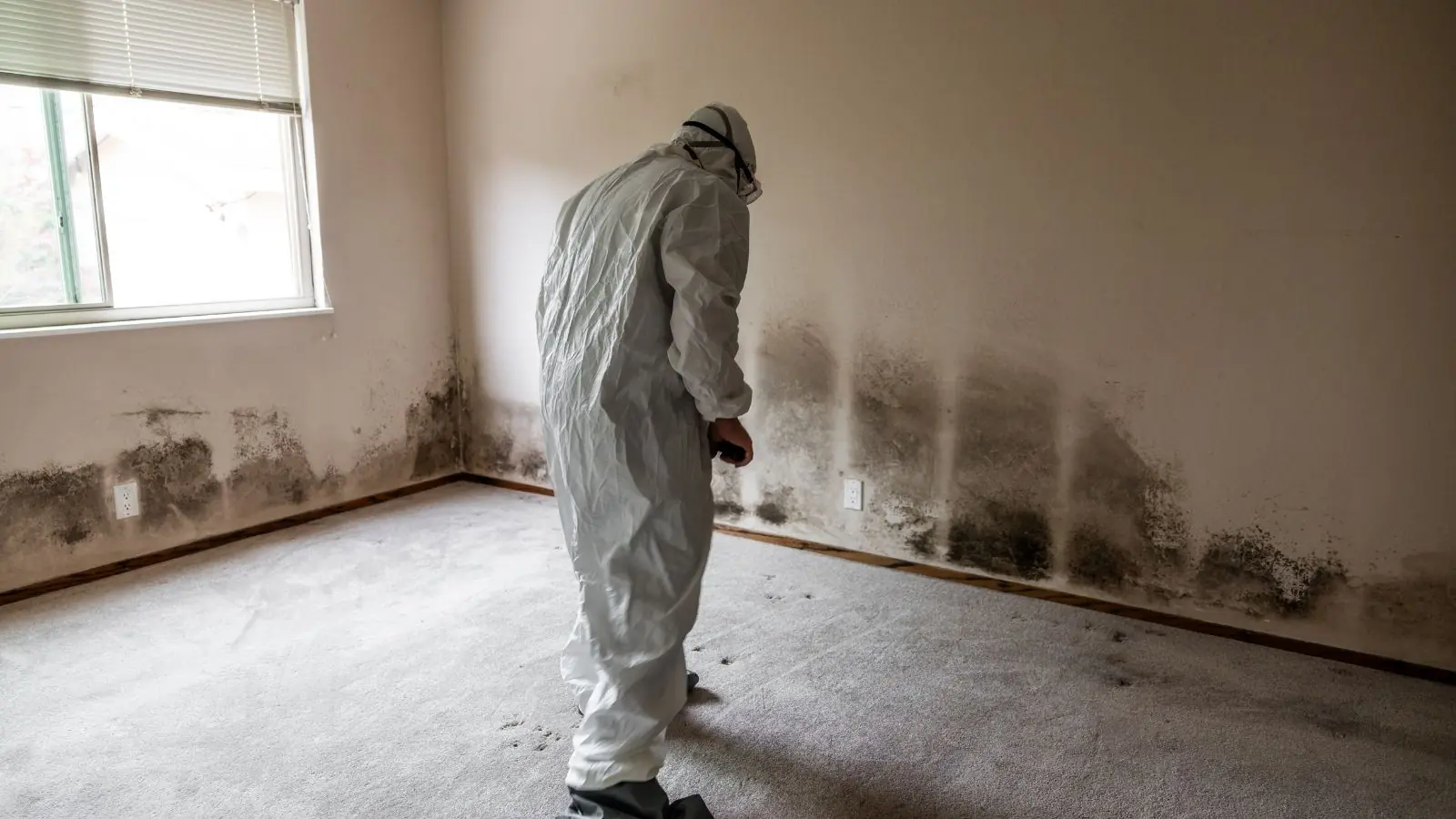
First, what "basement" means in North Texas
Most North Texas homes are built slab-on-grade, so a true basement is the exception here. When people in Little Elm search for basement mold, they usually mean something close to it: a walkout lower level, a finished storage room, a garage, or a crawl space under a pier-and-beam house.
The steps below apply to any of those spaces. What matters is not the name of the room but where the water is coming from. Mold needs moisture, so removing it without finding that source only sets up a repeat.
Small cleanup or professional job?
Texas draws a line based on size. A minimum-area exemption in the TDLR mold program (25 contiguous square feet) applies to unlicensed persons doing small cleanups. Owners working on their own home also have an exemption, but that does not make a large or hidden problem a good DIY project.
| Situation | Reasonable next step |
|---|---|
| A small patch on a hard surface like sealed concrete or a plastic storage bin | Clean it yourself with the precautions below, then dry the area fully. |
| Growth on drywall, carpet, pad or insulation | These porous materials often need removal. Consider a professional. |
| More than about 25 contiguous square feet, or growth in several rooms | Call a licensed mold remediation professional. |
| Musty smell with nothing visible, or a recurring wet spot | Have the moisture source located with a meter before cleaning anything. |
| Sewage or flood water was involved | Stop. This is a contaminated-water job, not a mold wipe-down. |
When in doubt, verify the credentials of anyone you are thinking of hiring with TDLR. Questions about symptoms belong with your physician, not with a website.
Dealing with mold in a lower level?
Call the 24/7 line.
The step order that works
Professionals follow ANSI/IICRC S520, and the logic of that order applies to a homeowner's small job too. Skipping ahead is how mold returns.
- Fix the moisture source: a leaking pipe, a failed drain, a clogged gutter, a window well that fills with water. Without this, nothing else lasts.
- Contain the area: close doors, seal off vents, and keep fans from blowing dust into the rest of the house.
- Protect yourself: wear an N95 or better respirator, gloves and eye protection, and keep children and pets out.
- Remove porous materials that cannot be cleaned, such as wet drywall, carpet and insulation. Bag them before carrying them out.
- Clean hard surfaces with detergent and water, scrubbing and wiping so residue is actually removed.
- Dry everything with air movers and a dehumidifier, and confirm with a moisture meter, not by touch.
- Verify: watch the area for returning odor or staining over the following weeks.
What not to do
A few common shortcuts cause more trouble than the mold itself. They are worth knowing before you buy anything at the hardware store.
- Never mix bleach with ammonia, vinegar or other cleaners. The fumes can be dangerous, and many products warn about it on the label.
- Do not paint or seal over mold. Paint hides the stain while the moisture underneath keeps working.
- Do not dry-brush or sweep growth, which sends spores into the air and across the house.
- Do not run a central HVAC system while the area is open, since it moves air through every room.
- Do not rely on a cleaner alone. Following the product label matters, and so does removing the moisture.
When it is time to stop and call
Stop if the area is larger than you can safely handle, if you find mold behind wall coverings, or if the source of the water is still unknown. A professional uses moisture meters, thermal imaging cameras, containment barriers and HEPA air scrubbers to keep a job from spreading.
For a licensed job, the remediator follows a protocol written by a licensed assessor, and Texas keeps the assessor and the remediator as separate parties on a given project. The remediator then issues the Certificate of Mold Damage Remediation. Our mold remediation page explains the process in more detail.
If a wet lower level came from a burst pipe or appliance failure, water damage cleanup comes first to remove the wet materials. Restoration is not waterproofing, so a chronically wet wall may also need a waterproofing contractor.
Insurance and paperwork
Read your policy before tearing anything out. Photograph what you find, hold on to your purchase records and set aside damaged items for the adjuster to see.
Wait for the adjuster before doing anything permanent. Stopping the water and starting to dry are fine in the meantime. For a claim involving mold, TDI advises using a state-licensed mold professional and getting a certificate confirming the removal.
Lower levels near the Little Elm lakefront
Part of Little Elm lies along Lewisville Lake, including the Lakefront district, which is home to Cottonwood Park and the Cottonwood Creek Marina. If your home near the lake has a lower level, a garage or a crawl space, make it a habit to look for damp walls, stained baseboards and standing water after heavy rain.
Lewisville Lake is a flood-control reservoir, and in June 2015 it rose above the spillway crest to 537 feet. That does not mean your address is at risk, so the practical step is to see where your address falls on the FEMA map and talk with your insurance agent about flood coverage.
If you are weighing options for a flooded or damp lower level, our crews also serve The Colony and Aubrey, and the same steps in this guide apply across those towns.
Frequently Asked Questions
Can I use bleach to kill mold on concrete?
Read the product label and never combine bleach with ammonia or other cleaners. Detergent and water, plus real drying, does the most useful work on a hard surface. Moisture is what lets mold return, so a cleaner alone is not the answer.
Do I need a license to remove mold from my own home?
Texas has exemptions for owners working on their own home and a 25 contiguous square foot minimum-area exemption for small cleanups. A contractor, on the other hand, needs the state license, so confirm it before you sign.
Is a musty smell enough to call someone?
A smell with no visible growth often means there is moisture in a hidden area. A moisture meter and thermal camera can locate it, which is more useful than guessing.
Will fixing the leak make the mold go away?
Fixing the leak stops new moisture, but existing growth on porous materials still needs to be removed. Nobody can promise mold will never come back, since that depends on keeping the space dry.
My home is near the lake. Do I need to check my lower level for moisture?
If your home near Lewisville Lake has a lower level, it is worth checking for damp walls, a musty smell or water after rain. Looking up your address on the FEMA flood map is a sensible extra step.