
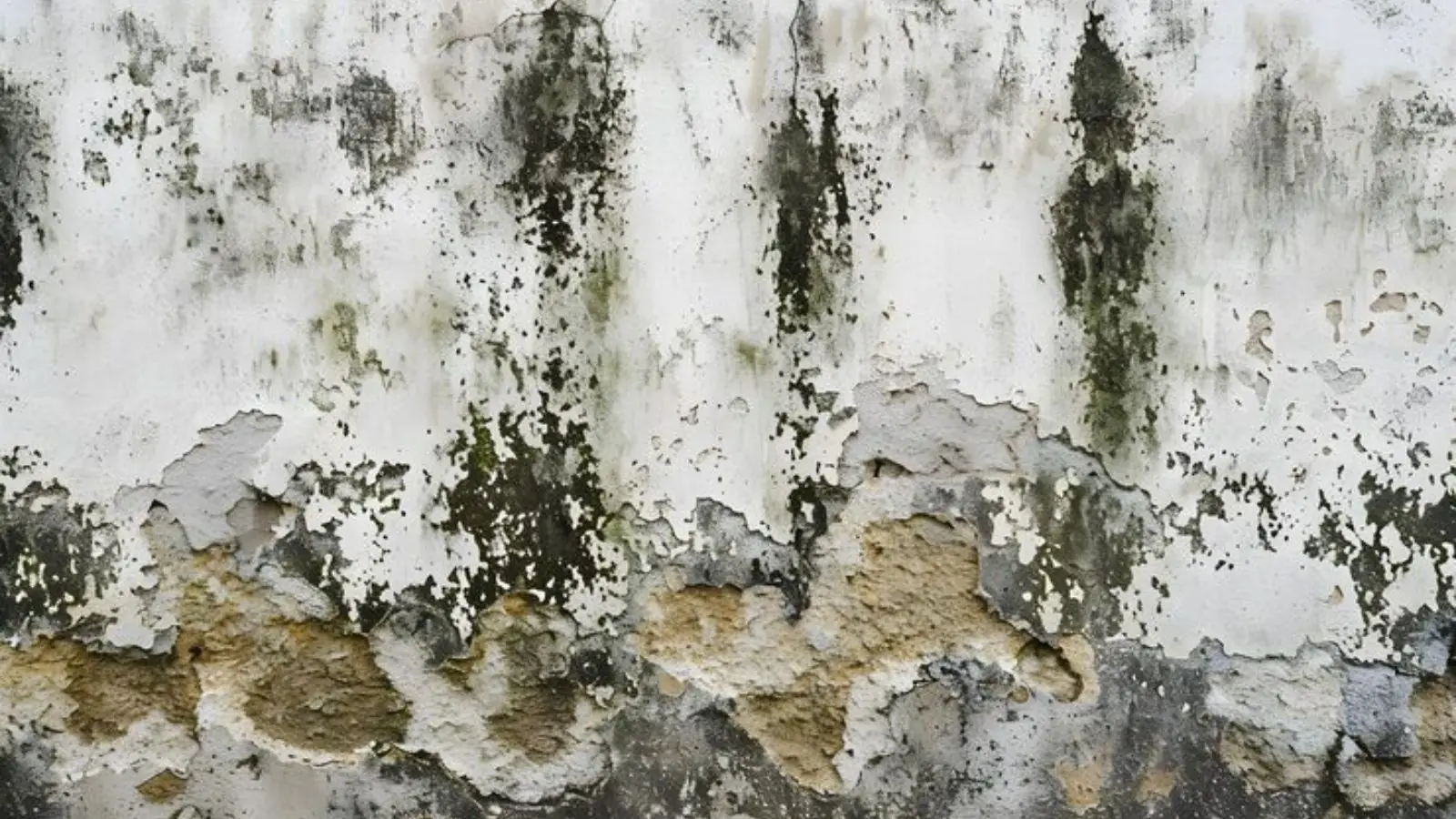
Why showers grow mold
A shower is the wettest room in most houses. Steam condenses on tile, water sits in grout lines, and soap residue gives surface growth something to hold on to. When the room stays damp for hours, caulk and grout start to darken.
Mold needs moisture, so the fix is as much about drying as it is about scrubbing. Surface growth on a sealed hard surface is very different from growth that has worked behind the tile.
"Black mold" is a label, not a diagnosis
People search for black mold because the dark color looks alarming. Color does not tell you what a mold is, though, and we cannot diagnose anything from a photo or a stain. Many kinds of mold can look dark.
Questions about symptoms or health belong with your physician. What we can speak to is moisture, and moisture is what you can control.
Dealing with dark mold in a shower?
Call the 24/7 line.
What you can clean yourself
A small patch on caulk, grout or a glass door is a reasonable DIY job. The TDLR minimum-area exemption (25 contiguous square feet) covers small cleanups by unlicensed persons, and a few spots in a shower fall well under it.
- Open the window or run the exhaust fan, and wear gloves and eye protection.
- Scrub the area with detergent and water, working in small sections.
- If you choose a cleaning product, follow the label exactly. Never mix bleach with ammonia-containing cleaners or with vinegar.
- Rinse, wipe dry and let the surface air out fully.
- If caulk stays stained or peels, cut it out and replace it once the joint is dry.
Reading the clues: what you see and what it means
Use this table to decide whether you are looking at a cleaning job or a leak. When several rows apply, treat it as a leak until a moisture meter says otherwise.
| What you see | Likely cause | Next step |
|---|---|---|
| Dark spots on caulk at the tub edge | Slow drying and weak ventilation | Clean, dry, then recaulk if needed |
| Grout lines darkening evenly | Constant dampness | Scrub, improve airflow, reseal if recommended |
| Loose or hollow-sounding tile | Water behind tile | Stop using the shower and call |
| Soft or bubbling drywall near the shower | Hidden leak or failed pan | Call for a moisture check |
| Stain on the other side of the wall | Leak from supply line, drain or pan | Shut off water and call |
| Musty smell and nothing visible | Moisture in a cavity | Locate it with a meter before cleaning |
Seasonal shower checkups
Caulk shrinks and pulls away as a house settles and as temperatures swing between seasons. Mark two or three dates a year on your calendar, and look at the joint where the tub meets the wall, the corners and the base of the glass door.
Press gently on the caulk bead. If it peels or leaves a gap, water can get behind it, and that is the point to recaulk, not a month later. A fresh bead on a dry joint is cheap prevention compared with a rebuilt wall.
Exhaust fan and drying habits
The biggest prevention step is boring. Run the exhaust fan during every shower and for a while after, wipe down walls and glass, and leave the door open so humid air can leave the room.
Check that the fan actually moves air by holding a tissue near it. A fan that vents into the attic instead of outside will keep the moisture in the house. Wet towels and mats left on the floor add to the problem.
Causes that start behind the tile
A shower pan is the waterproof base under the tile, and grout is not waterproof on its own. If the pan, a drain flange or a valve seal fails, water travels into the framing and the drywall on the other side. By the time dark spots appear on the surface, the wall may have been wet for a long while.
Supply-line fittings behind the wall are another source, and so is a tub overflow that drips inside the cavity. These leaks are slow and quiet, which is why a stain on the neighboring room's wall is worth taking seriously. Thermal imaging cameras and moisture meters can trace the path without opening everything up.
Products and precautions
Choose one cleaning product and follow its label. Do not combine products, and never mix bleach with ammonia-containing cleaners, since the fumes can be hazardous. Ventilate the room well and keep children and pets away while you work.
Skip scented sprays and paint-over sealants. They cover a smell or a stain without addressing wetness. If you have asthma or other health concerns, ask your physician whether you should do the cleaning yourself at all.
When to call someone
Call when the growth is bigger than a small hard-surface area, when drywall is soft, or when the shower leaks. A water damage repair professional can open the wall, dry the cavity and rebuild, while mold work follows ANSI/IICRC S520.
If a wall is opened for a rebuild, ask the Town of Little Elm building department whether permits apply. See our mold remediation page for what a licensed job involves.
Insurance is worth a call too. A one-time failure and a years-long drip are often treated differently, so describe what you know honestly. Take photos before anything is removed and ask your agent before making permanent repairs.
Newer homes in Little Elm and shower upkeep
Little Elm went from 25,898 residents in 2010 to 46,453 in 2020, and a lot of its housing stock is newer. Original caulk and shower pans still age, so at each seasonal change take a few minutes to look at caulk joints and the bottom edge of the tile.
If you find a leak and you need the wall opened, ask the Town of Little Elm building department whether a permit applies to the repair. For a quick drying call, our water mitigation crews can dry the area before the rebuild.
The same shower habits apply across the region, including in Aubrey and The Colony.
Frequently Asked Questions
Is black mold in a shower dangerous?
We cannot diagnose or make health claims. Color does not identify a mold. If you have health concerns, talk with your physician and focus on removing the moisture.
Can I use bleach on shower mold?
Follow the label on any product you use, and never mix bleach with ammonia-containing cleaners. Detergent, water and thorough drying handle many small patches.
How do I know if there is a hidden leak?
Loose tile, soft drywall, stains on the opposite side of the wall, or a musty smell with nothing visible all suggest water behind the surface. A moisture meter can confirm it.
Will the mold come back after I clean it?
Nobody can promise it will not. Cleaning plus better ventilation and drying lowers the odds, but it comes back wherever moisture returns.
Should I check my shower pan in a newer Little Elm home?
Yes. Little Elm grew quickly, and many homes are newer, so it makes sense to inspect original caulk joints and the shower pan at the turn of each season.