
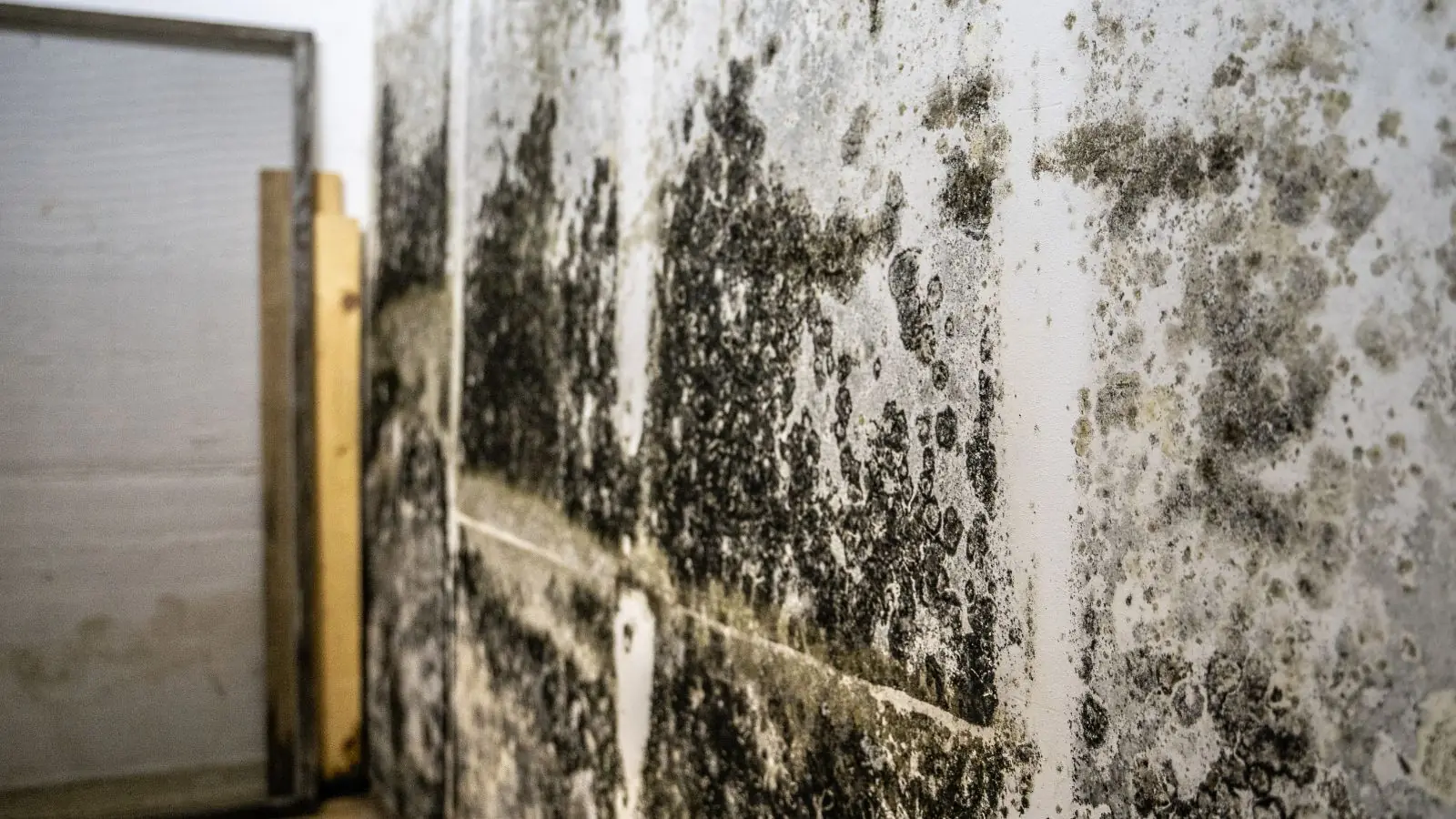
Control moisture and you control mold
Mold needs moisture to grow, so prevention is really a moisture-management plan. Water reaches a lower level in two ways: as liquid from outside or a leak, and as humid air that condenses on cool surfaces. A good routine covers both.
This page is about ongoing control. If you already have visible growth to remove, our mold remediation page covers what a licensed professional does and when the job is too big for DIY. Nobody can promise mold will never return, but a dry space gives it very little to work with.
Watch humidity with a hygrometer
A hygrometer is a small, inexpensive gauge that reads the humidity in a room. Set one on a shelf in your lower level or storage room and glance at it during the week, especially after rain or a hot, muggy stretch.
Rather than rely on a number from the internet, ask a restoration professional what reading makes sense for your home and your equipment. What matters most is the trend: a reading that stays high, or climbs after storms, points to a moisture source worth tracing.
Dealing with damp lower-level air?
Call the 24/7 line.
Dehumidifier habits that actually work
A dehumidifier is only as useful as its drain. A bucket that fills overnight and shuts the machine off does nothing for the rest of the day, so route the drain hose to a floor drain or a sump when you can, and check that the hose slopes downhill without kinks.
- Place the unit away from walls so air can move around it.
- Keep doors to the room open or closed as the manufacturer suggests, not both.
- Clean the filter and empty the bucket on a schedule if you use one.
- Do not let the machine cover for an active leak. Find the source.
- If the unit runs constantly and the reading never drops, ask a professional to check for hidden moisture.
Outside drainage that protects the inside
Most lower-level moisture starts outside. Gutters that overflow, downspouts that dump next to the foundation and soil that slopes toward the house all push water where it does not belong.
Gutters and downspouts
Clear leaves, and make sure each downspout discharges well away from the wall instead of at the base.
Grading
Soil near the house should slope away, not toward it. Low spots that hold water after rain are worth correcting.
Window wells
Keep them clear of debris and confirm that any drain at the bottom is not blocked.
Sump pump
If you have one, pour water into the pit and watch it start and discharge. Check the discharge line too.
Storage habits help as well. Keep boxes off the floor on shelves, leave a gap between stored items and the wall, and avoid storing cardboard in a space that has ever been damp.
Small habits that add up
Moisture control is mostly routine. After a heavy rain, walk the lower level with a flashlight and look along the bottom of the walls. Feel the carpet edge, sniff for mustiness and check that nothing stored against the wall has gone damp.
Run exhaust fans in laundry areas and bathrooms, vent the dryer outside, and fix drips under sinks the week you notice them. A slow supply-line drip can keep a cabinet floor wet for months, and insurers often treat long-running seepage differently from a sudden break.
Restoration is not waterproofing
It helps to know which trade does what. Water damage restoration dries and repairs after water gets in. Waterproofing and foundation work stop water from getting in, and those are different trades with different licenses and different tools.
If a wall repeatedly shows moisture after rain, a restoration crew can dry and repair the damage, but the cause may need a waterproofing or foundation contractor. For a one-time event like a burst line or an appliance failure, water mitigation is the right call. We will tell you honestly when the cause sits outside our trade.
When humidity stays high anyway
Sometimes the hygrometer stays high even with a dehumidifier running and gutters clear. That pattern suggests a hidden source, such as a slow plumbing leak, a wet crawl space or moisture wicking up through a slab.
A restoration crew can trace it with moisture meters and thermal imaging cameras, then dry what is wet. If the answer is an exterior drainage fix, ask for a referral to the right trade. A water damage cleanup visit that finds the source early can keep the scope smaller than a rebuild after months of hidden dampness, though a real number only comes after an assessment.
A year-round checklist table
A short checklist, run at the same points each year, beats an occasional big effort. Pair it with the two wettest months on the local calendar.
| Season | Check | Why it matters |
|---|---|---|
| Spring, before May | Gutters, downspouts, window wells, sump pump test | May is the wettest month on average |
| Summer | Hygrometer reading, dehumidifier drain, AC condensate line | Humid air and clogged drains feed moisture |
| Early fall, before October | Grading, door seals, roof flashing | October is the second wettest month |
| Winter | Exposed pipes, outdoor spigots, main shutoff location | A burst pipe can soak a lower level quickly |
Little Elm's two wettest months
The National Weather Service's Dallas/Fort Worth normals show May at 4.78 inches and October at 4.37 inches, the two wettest months of the year. Treat them as checkpoints: test the sump pump and clear gutters before May, and check grading, door seals and flashing before October.
Little Elm sits on Lewisville Lake, a flood-control reservoir. For a lower level or garage close to the lake, find the address on the FEMA flood map and ask your agent how flood losses are handled, because standard homeowners coverage leaves them out.
If your drainage questions turn into a wet-wall problem, our crews also serve Frisco and The Colony, and the same checklist applies in both towns.
Frequently Asked Questions
What humidity level should I aim for in a lower level?
We would rather not hand you a number that does not fit your home. Ask a restoration professional what reading to target, and use a hygrometer to watch whether it stays steady after rain.
Where should a dehumidifier drain go?
Ideally to a floor drain, sump or laundry standpipe through a hose that slopes downhill. A hose that can drain continuously beats a bucket you have to empty.
Do I still need to worry if my home has no basement?
Slab-on-grade is common in North Texas, but garages, crawl spaces and ground-floor storage rooms can have the same humidity and drainage issues. The same checklist applies.
Can restoration crews fix a wet foundation wall?
We dry and repair water damage. Stopping outside water from entering through the foundation is waterproofing or foundation work, which is a different trade.
When should a Little Elm homeowner run the drainage checklist?
Aim for the weeks before May and October. The NWS Dallas/Fort Worth normals list May at 4.78 inches and October at 4.37 inches, the two wettest months, so clean gutters and test the sump pump ahead of both.